
Bad Credit Mortgage
Mortgage advice for those with bad or poor credit
your home may be repossessed if you do not keep up repayments on a mortgage.
The Financial Conduct Authority does not regulate some forms of Buy to Lets.
Bad Credit Mortgage
Having bad credit doesn’t rule out getting a mortgage — it means you need a broker who knows which lenders will actually consider your situation. We work with specialist lenders who look beyond a credit score, whether you have a CCJ, a default, missed payments, a debt management plan, or a history of bankruptcy.
Every case is different, and the right options depend on what happened, how long ago, and how you’ve managed your finances since. Below is an overview of what lenders look for — and a dedicated guide for each specific situation.
Looking for Something Else
Talk To An Expert Now
We offer a non-obligation consultation to assess your circumstances and confirm your options
What are lenders looking for when approving a mortgage with bad credit
Every lender has its own criteria, but most look at a similar set of factors when assessing a mortgage application:
- Income and affordability: lenders want to see stable, provable income and a manageable debt-to-income ratio, so they can be confident you’ll keep up repayments.
- Assets: savings, investments or other property can strengthen an application by showing financial resilience.
- Credit check: a check on you and any joint applicant, covering your borrowing and repayment history. A poor result here can lead to a decline even if everything else looks strong.
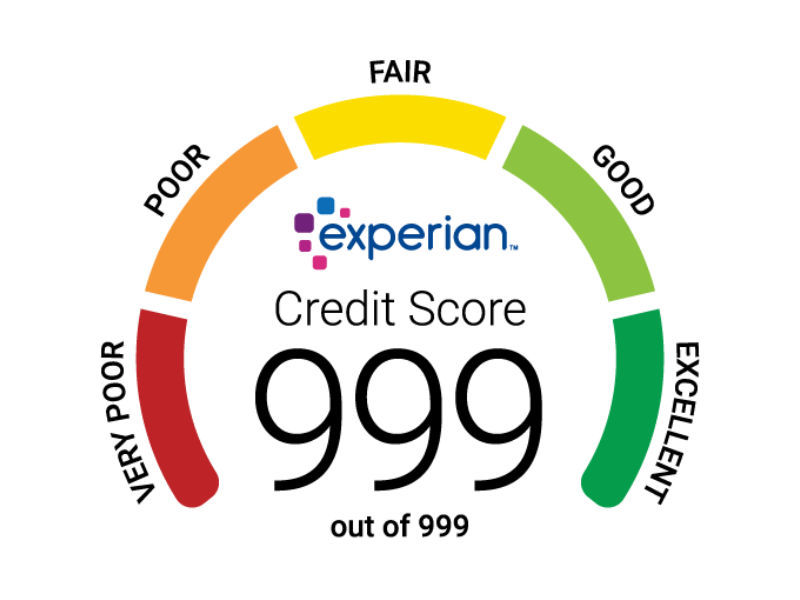
Check your credit history
If you’ve been declined by a high-street lender, it’s usually because something on your credit history flagged as a concern. Start by checking your credit report so you know exactly what’s there.
Some issues take time to improve, like a history of late payments. Others can be fixed quickly, such as errors on your report, an old address still listed, or accounts that should have closed but haven’t. Not being registered on the electoral roll at your current address is a common, easily fixed one that can otherwise count against you.
What is a credit check?
A credit check is when a lender reviews your credit report to see how you’ve managed borrowing in the past — credit cards, loans, mortgages, overdrafts, and even things like phone contracts. It shows how much credit you have across these accounts, how you’ve used it, and how reliably you’ve kept up repayments, building a picture of you as a borrower.
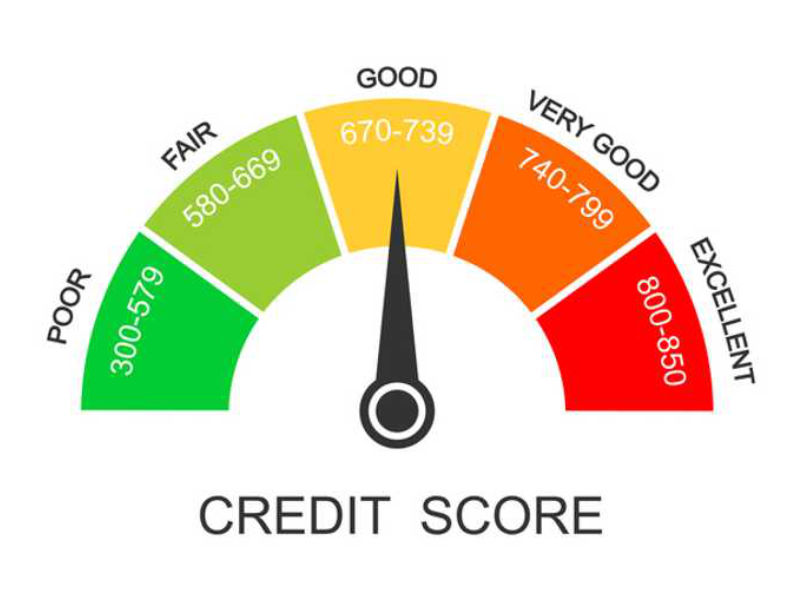
What Our Customers Say
What makes for a low credit score and negative credit check?
Several factors combine to make up your credit score:
- Payment history: on-time, in-full payments help your score; missed, late or partial payments hurt it.
- Amounts owed: lenders look at your total debt and your credit utilisation — how much of your available credit you’re using.
- Length of credit history: longer-established accounts generally work in your favour, showing a track record of managing credit.
- Credit mix: a variety of well-managed credit types can reflect positively, rather than relying on one type of borrowing.
- New credit: too many recent applications or hard searches in a short period can count against you.
Why Choose Us






What can you do to minimise the risk that your credit score is low?
If your score is lower than you’d like, there’s usually something you can do about it, though it can take time.
Start with your credit report: check for and correct any errors, outdated addresses, or accounts that should have closed. Then focus on the basics — pay everything on time and in full (automatic payments help), and work on reducing existing debt using your normal income rather than more borrowing.
Beyond your credit file, tracking your spending and looking for ways to boost your income can also help you pay down debt faster and put you in a stronger position when you do apply.
Bankruptcy
Most specialist lenders will consider an application from at least one year after discharge, though options widen considerably from year three onwards. Bankruptcy is removed from your credit file six years after the bankruptcy order (not your discharge date) — usually around five years post-discharge for most people. Deposit requirements are typically higher than standard. Read our full guide to mortgages after bankruptcy →


Mortgage With an IVA
It’s very difficult to get a new mortgage while an IVA is still active, but your options improve steadily each year once it’s completed — even before it drops off your credit file entirely after six years. Read our full guide to mortgages with an IVA →
CCJs
A County Court Judgment doesn’t rule you out, especially once it’s satisfied and over three years old. Lenders look at how many you have, their value, and whether they’re settled. Read our full guide to mortgages with a CCJ →

Defaults
Specialist lenders will look at how long ago a default was registered, whether it’s satisfied, and what type of account it was on. A default from several years ago has far less impact than a recent one. Read our full guide to mortgages after a default →
Debt management plans
You can still get a mortgage on or after a DMP, but your income multiple and lender choice will depend on how long you’ve been making payments and whether it’s still active. Read our full guide to mortgages with a DMP →
Missed or late payments
Not all missed payments are treated the same — recency, frequency and whether the account was secured or unsecured all matter. Read our full guide to mortgages after missed payments →
I have bad credit. Do I need to give up on the idea of buying a home?
The short answer to this is no. You don’t have to give up on the idea of buying your own home just because you have a poor credit rating. It just means that things will be a little trickier for you and that you may have a few more hurdles in your way to owning your perfect home.
The good news is that there are mortgage lenders out there who know that just because you have had some credit issues in the past (or even in the present), this doesn’t mean that you will not be able to recover from them. They also know that there is always a good chance that you will prioritise your home over other outgoings.
This may not sound like the right way to look at lending money, but to that lender, the money that you owe them is the most important and should always be paid back.
What do I need to know about bad credit mortgages?
One of the main things that you need to know about bad credit mortgages is that they may take more time to find than a standard mortgage for those with a good credit rating. This is because the high street lenders do not offer them other mortgages.
However, just because they are harder to find, this doesn’t mean that you have to stop looking. It just means that you may need to take more time and make more effort to ensure that you have the right mortgage offer for your needs.
The idea of a bad credit mortgage is designed for those who have poor credit. They will be offered by lenders who can be more flexible in their lending, and they will make their lending decisions based on other aspects of your life rather than just your credit rating. They will often want to look at the severity of your borrowing and credit issues over the years, and they will want to see if there is a high chance that your credit issues will reoccur in the future.
It is worth knowing that a bad credit mortgage is more likely to come with high-interest rates when compared to a standard mortgage, and there is also a chance that you will be asked to provide a higher deposit amount than you otherwise would.
How do I get a bad credit mortgage?
The first thing you need to ensure is to find a mortgage lender who is understanding and experienced in bad credit history mortgages. They are not only much more likely to approve you for a mortgage, despite having a poor credit rating, but they can also give you advice on the borrowing in the first place and how the process may work.
Whilst every lender will have a different process for you to follow, you can still learn more about how it usually works and prepare yourself for what you will need to do.
As we have already covered in this article, you should take the time to look at your credit report and ensure that they are all up to date. You should also think about ways that you can improve your score and your financial situation at the same time.
You may have already started to, but now is the time to get saving. You will need to have a deposit put aside for your mortgage, and of course, saving isn’t always easy to do. But, if you think about it carefully, budget, and plan, you are going to increase your chances of having a deposit to put down against your dream home.
Once you feel that you are in a good position, you should start to think about where you will apply for a mortgage. You want to limit the number of credit checks that are performed against your name, which means that you should not be making too many requests. This can decrease your credit score and make it even harder when you do find the right mortgage lender.
Which lender is best for bad credit mortgages
Every lender is different, and you will want to take the time to assess whether or not they are right for you. There are some things that you are going to want to look at. You will want to know how much they are willing to lend you as a part of your application, as well as how much of a deposit they are going to expect you to payout.
You also want to learn more about the deals and rates that they can offer. Of course, you can expect to pay higher rates or not be able to access the same deals as those with a better credit rating, but you can still shop around to see what is available to you.
You must have in mind the fees you will need to pay out as a part of your mortgage and house purchase. These include legal fees, stamp duty, booking fees, and valuation fees.
No matter which lender you choose, they will want to see a variety of documents to prove what you have said is true. This means that it is always worthwhile to get together the essential financial records you will need to show your chosen lender and have them to hand. This means that your mortgage application will be processed as quickly as possible, and you shouldn’t see any delays in getting approved.
Bad credit ratings can be scary, and you may think that you will find it incredibly hard to get out of the rut, especially if you have plans to buy a home in the future. However, this is not the case.
Bad credit is something that you can bounce back from, and even if you feel that there has been no hope, there are always those out there who want to help.
So, think positively and make sure that you don’t give up on the idea of owning your own home and getting yourself on (or further up the property ladder).
Help is out there; you just need to know where you will be best placed to find it.
Speak to an expert about a bad credit mortgage.
Once you have got a handle on your own spending, checked over your credit history and made any changes. Then is the time to speak to someone who can help you to apply for a mortgage with bad credit.
It is worthwhile speaking to a bad credit mortgage broker. Their aim is to advise you on the best actions to take. They can also advise you where you may be more likely to secure a mortgage. They can guide you through the process, helping you to do the right things to help boost your chances.


Speak to us – Bad Credit Mortgage Broker
It can be stressful to find how best to obtain a mortgage with bad credit. However, this doesn’t mean that you should give up on your dreams of owning your own house. It may take a little longer and a little more work, but we can promise you that it will be worthwhile in the end. With our help, you can make sure that you have the best chance of being approved for a mortgage. Whether it is with bad credit, you are self-employed or any other reason that may make securing a mortgage harder for you.
How it Works
The Award-Winning Matrix Mortgages Process – Easy as 1,2,3! Follow Our 3 Simple Steps to Securing Your Dream Home
1
Enquire
Complete our quick and easy contact form, email, call or WhatsApp us to get started
2
Advice
All done. Sit back, relax, and feel great about your decision to work with us
3
Apply
We handle all the necessary paperwork and help manage your entire mortgage process
Explore some of our other pages
FAQ
A mortgage is a loan from a bank or building society that allows you to purchase a property. The loan is repaid over several years with interest dependent on your personal financial situation.
A mortgage can be between one or more people. However, if you do not keep up your repayments, the lender can repossess your property.
All mortgage lenders have their own requirements. The following factors take a part in whether you will be given a mortgage offer, and how much the lender is willing to borrow you:
- Amount you wish to borrow
- Size of your deposit
- Employment status and income
- Credit rating
- Outgoings
- Existing debt
- Your age
- Length of the mortgage term
- Your credit status
- If you are applying solely or jointly
To be accepted by a lender, you need to assure lenders that you can repay your mortgage. One main aspect lender’s look at is your credit report to check your repayment history. Your credit file will include current and existing records on items such as credit cards, loans, overdrafts, mortgages, mobile phone/s, some utility payments and all accounts that have been open in the last 6 years. If your credit report shows arrears, defaults, CCJs, debt management plans or bankruptcy in the past, there are mortgage options available which we can help you with.
To get a mortgage you will need to save a deposit of at least 5%, but the more you save, the better your mortgage rate will be. If you have an existing property you own, you can use the equity in your property for this. Our skilled mortgage advisors can talk and guide you through the benefits and the difference in your monthly payments by increasing your deposit.
As soon as you have found the property you want to buy, our mortgage brokers will evaluate your personal needs and situations and recommend a mortgage product that is right for you. They will compare a wide variety of mortgage quotes, including products that cannot be found on the high street or comparison sites. This guarantees that you get the right deal at a right price.
If you agree to the mortgage product your advisor suggests, you will receive your Agreement in Principle (AIP). This will provide you with an estimated total of how much the lender is willing to borrow you and allows you to put an offer in on your ideal home.
If your offer is accepted, you will need to arrange a solicitor to deal with searches, surveys and contracts, which we can arrange for you. We manage the entire mortgage application process through to completion, liaising with your solicitor and lender to make sure your application is successful.
There are different mortgage options such as a remortgage. In this case we would recommend looking for a new mortgage deal approximately 3 months before your current deal expires. By beginning the mortgage process early it will allow you to prepare ahead of time to compare all the available mortgage products and submit your application. Do not worry if your mortgage is approved early as we will ensure that the completion date corresponds with your current deal’s end date.
A lot of mortgage lenders will lend you up to five times your salary. However, this all depends on several factors including your age, number of dependants and current financial commitments. Lenders will work out how much they will lend you based on what you can reasonably afford each month after you have paid your bills, credit cards, loans etc.
In addition, our mortgage advisers will assess your individual needs and situations to see how much you can realistically borrow before an application or credit search is completed. If you choose to continue with the application, our advisers will understand which mortgage lenders to approach to ensure you get the required loan amount.
In order to buy a property with a mortgage, you will need to save a deposit of at least 5%. However, the more you can save, the better your rate will usually be. There are a few exceptions to this as follows:
- If you already own a home, you can use the equity from your property for the deposit
- If you are a council tenant and are looking to buy your current home under the Right to Buy scheme, most mortgage lenders will now accept your Right to Buy discount as a deposit.
As property prices increase, first time buyers can struggle to save enough for a deposit. There may still be government-backed schemes available depending on your circumstances and location — the previous Help to Buy equity loan scheme closed to new applications in 2023, but our expert mortgage advisors can talk you through whatever options currently apply to you.
Our expert mortgage advisors are aware of various mortgage deals available and can help you decide which mortgage deal best fits your needs.
When buying a home, you will need to save enough money to pay for other factors and not just your mortgage deposit. This also includes paying for your mortgage fees, moving costs and legal expenses. We have listed below all the possible purchase and moving expenses you may have to pay, to help you with your budgeting. The exact fees and amount you will pay, is dependent on the value of the property you are buying and your chosen mortgage lender.
Mortgage booking fee: Some mortgage lenders will charge this to secure a fixed-rate or tracker deal.
Cost: £99 – £250 (Ave Cost but can vary from lender to Lender)
Mortgage arrangement fee: Some mortgage products will incur a mortgage arrangement fee, in addition to the mortgage booking fee. This fee is either paid upfront or added to your mortgage debt. If you chose to add it to your mortgage, the cost will increase over the lifetime of your mortgage.
Cost: £1,000 – £2,000 (Ave Cost but can vary from lender to Lender)
Telegraphic transfer fee: Needs to be paid to the lender to transfer the amount you are borrowing for the mortgage to the seller’s solicitor.
Cost: £25 – £50 (Ave Cost but can vary from lender to Lender)
Mortgage broker fee: If you use a mortgage advisor to arrange your mortgage for you, you will need to pay a fee or commission, depending on the value of your mortgage.
Cost: £197- £997. However, this may vary if you need to use a specialist lender
Valuation and survey fees: Charged by the lender to value the property you are buying. The cost varies according to which survey you choose:
Home condition survey: Most basic and cheapest of all the surveys and often used for new-builds.
Cost: £250 (Ave Cost but can vary)
Homebuyer’s report: More in-depth survey, assessing the inside and outside of the property, and also includes a valuation.
Cost: £600(Ave Cost but can vary from provider to provider)
Building survey: A complete survey generally used for older or unconventional properties. Although they are the most expensive, they are certainly worth considering, as it could potentially save you a lot of money if any structural problems are found with the property.
Cost: £600 (Ave Cost but can vary from provider to provider)
Higher lending charge: Can be charged by lenders if you borrow most of the value of the property.
Cost: Approximately 1.5% of the amount you borrow
Searches: Your solicitor will arrange for the local authority to check whether there are any issues that could affect the property’s value. The local council can charge a fee for carrying out these searches and may also request that a drains search be done at the same time.
Cost: £250 – £300 (Ave Cost but can vary from provider to provider)
Legal costs: You will need to instruct a solicitor to carry out the necessary legal work for you.
Cost: £850 – £1,500 plus VAT (Ave Cost but can vary from provider to provider)
Stamp Duty Land Tax (SDLT): Charged on all purchases of residential property over £125,000. However, the amount you will pay is dependent on the purchase price of the property you are looking to buy, and whether you have owned a home before as follows:
Information of current rates and charges:
www.gov.uk/stamp-duty-land-tax
Please be aware that by clicking on to any of the above links you are leaving Matrix Mortgages Ltd website. Please note that neither Matrix Mortgages Ltd nor HL Partnership Limited are responsible for the accuracy of the information contained within the linked site(s) accessible from this page
Removal costs: Paid to the removal firm (if you choose to use one) to pack, transport and deliver your possessions to your new home.
Cost: £300 – £600 (Ave Cost but can vary from provider to provider)
Latest News, Blogs and Content
Keep up to date on the latest news in the mortgage industry with our Blogs and great tips in our Vlogs from our experienced mortgage advisers along with our ever buzzing socials

How Much Can You Borrow? Let’s Discuss Your Options Today